Collect & prepare
Select compatible bottles and prepare them for the recycling module.

Sustainability
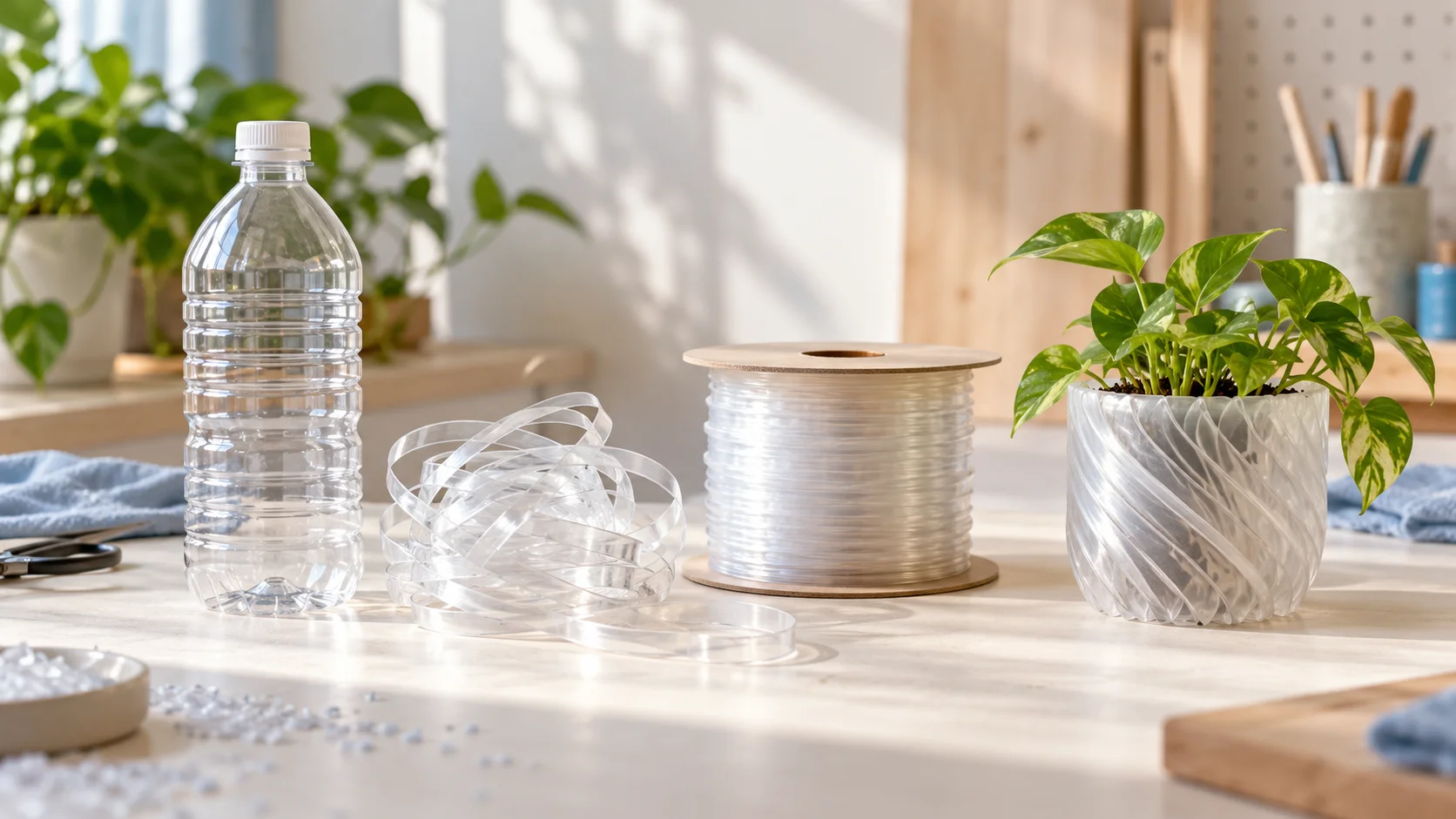
Turn compatible PET bottles into filament for suitable 3D printing projects. Connect material reuse to hands-on learning in your school or community program.
Explore the processFROM COLLECTION TO CREATION
Select compatible bottles and prepare them for the recycling module.
Load the prepared bottle to turn its material into ribbon.
Switch the spools for the second stage: converting ribbon into filament.
Use suitable filament in Orchard, or explore supplying other makers.
Operator-led process. Follow the instructions for your configuration; the current Sylvan recycling interface does not automate this workflow.
Explore filament fabricationSTART WITH THE RIGHT BOTTLE
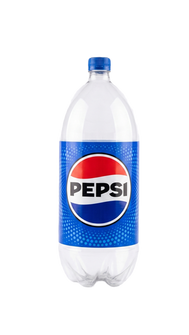
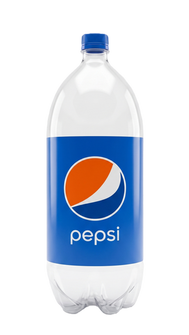
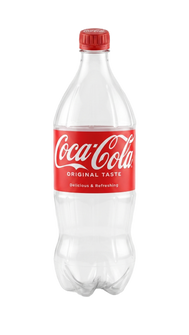
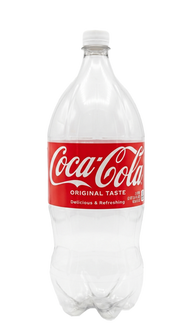
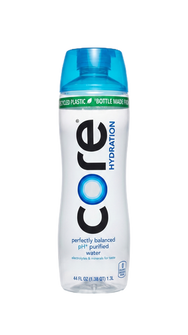
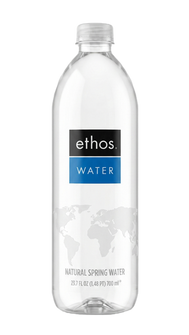
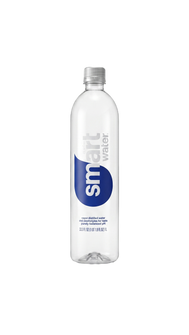
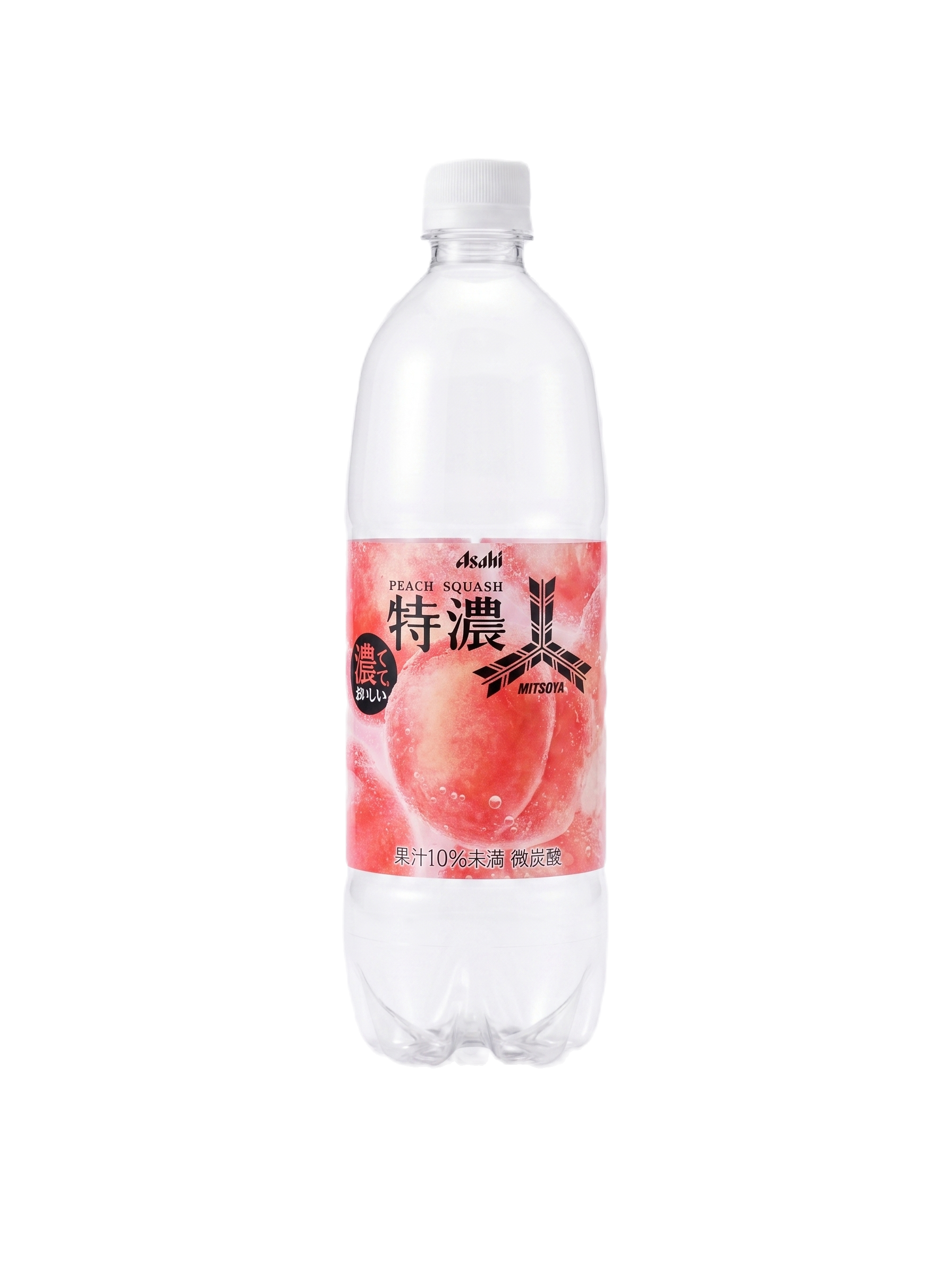
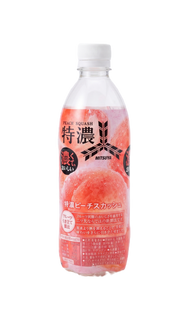
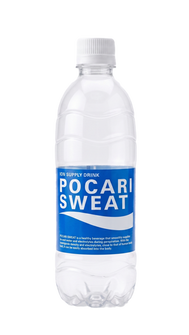
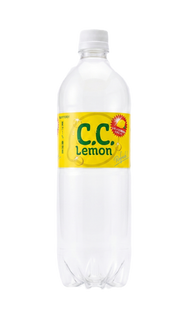
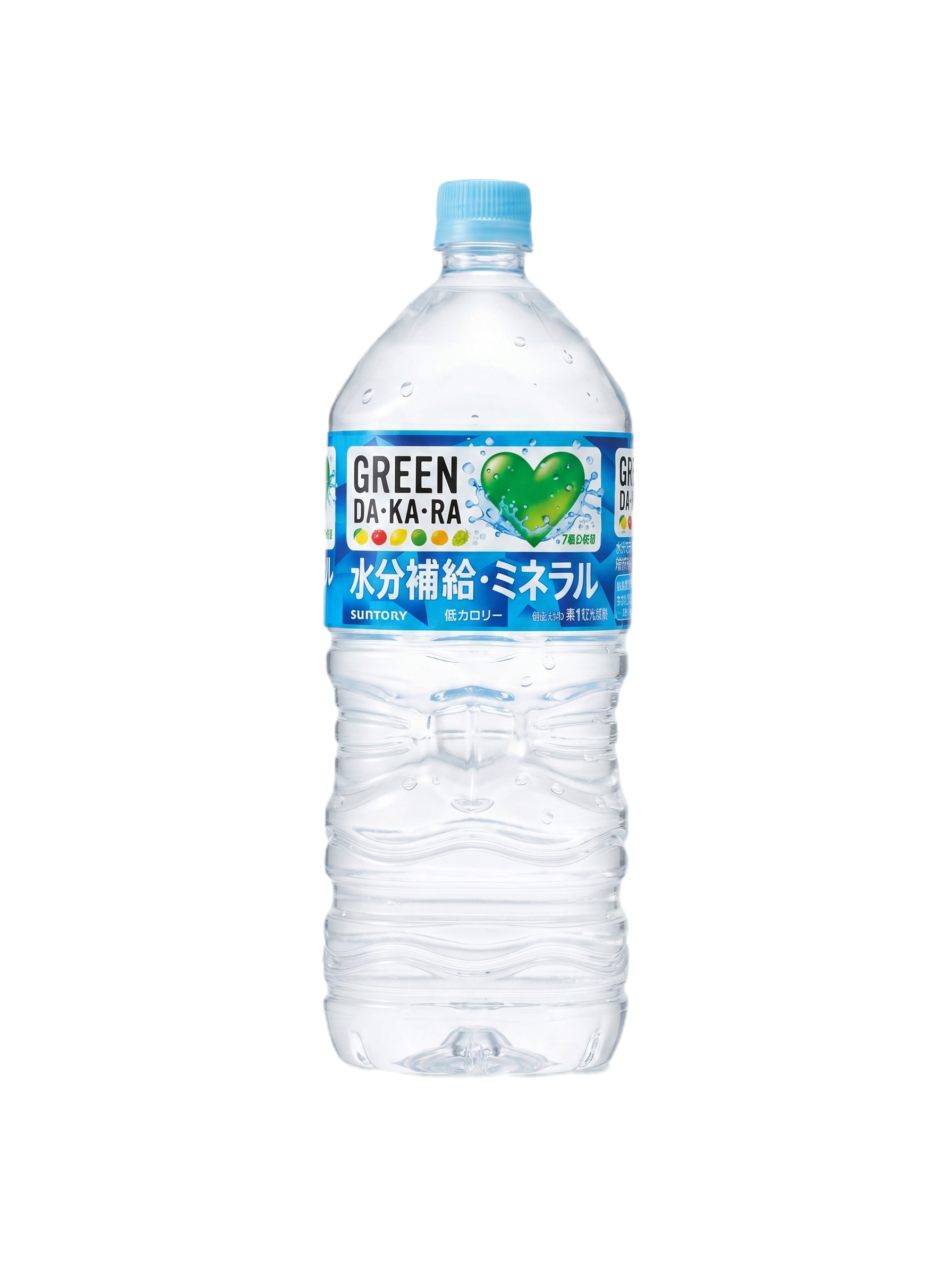
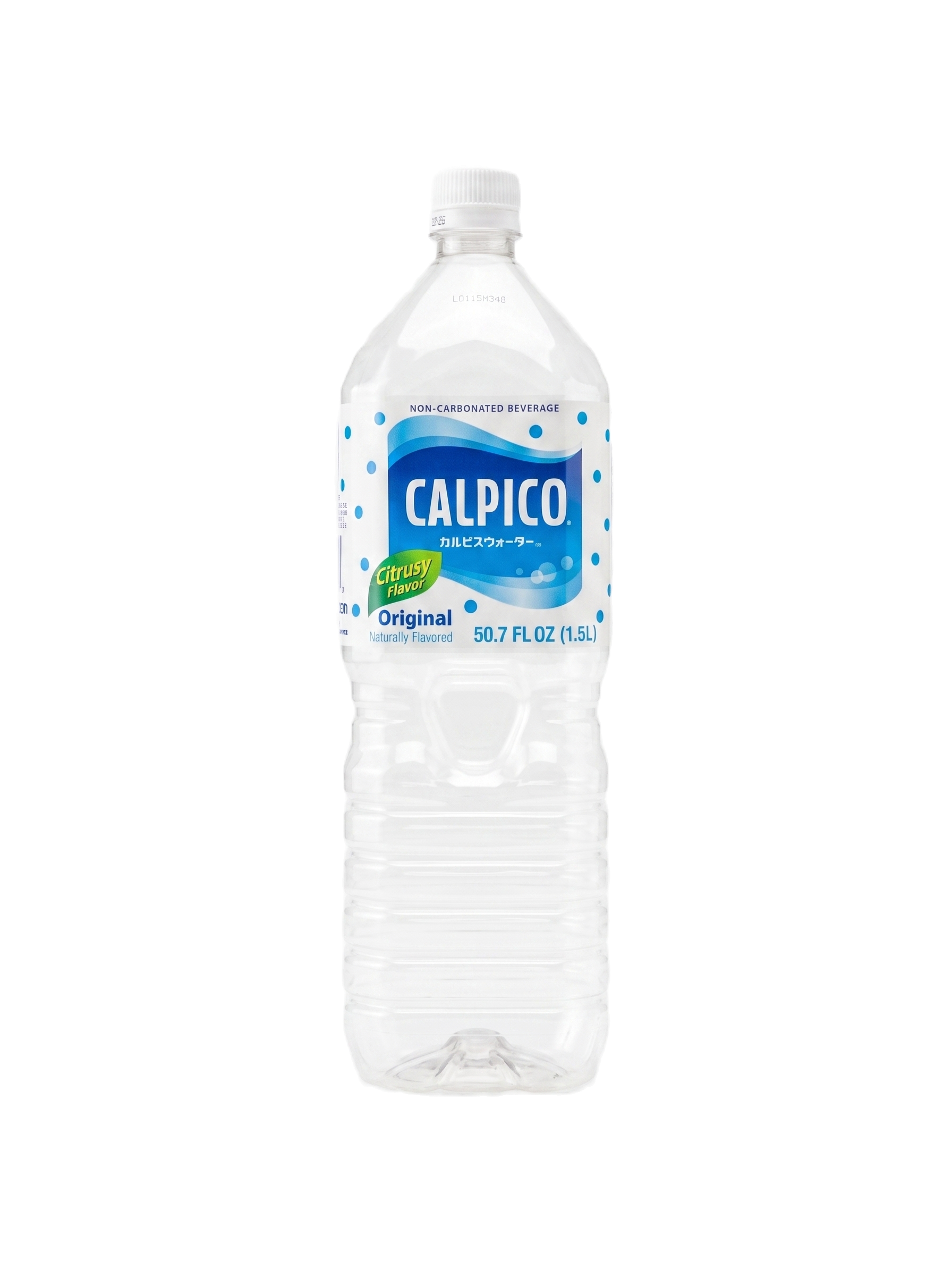
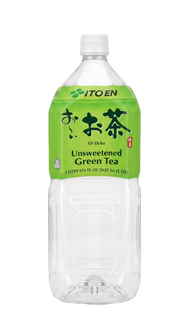
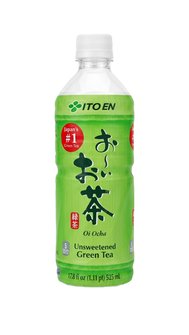
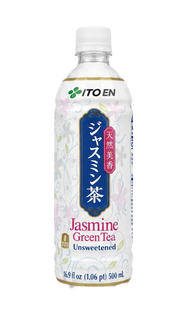
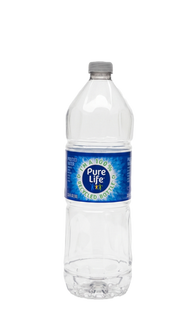
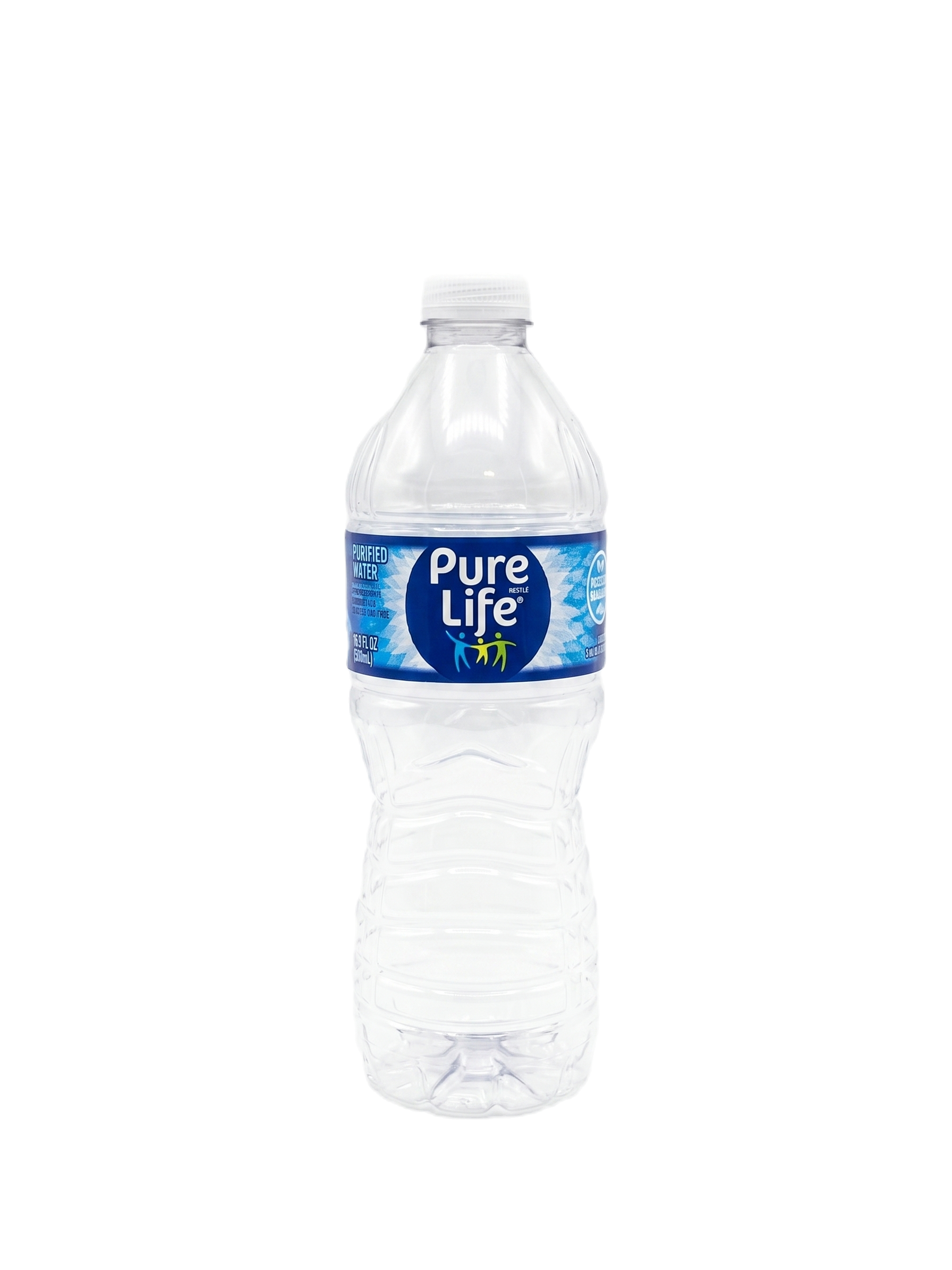
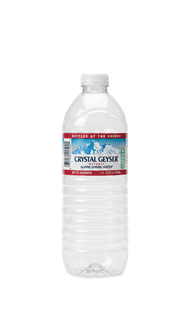
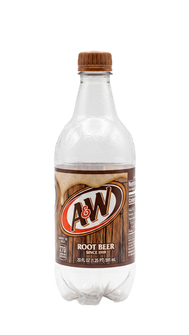
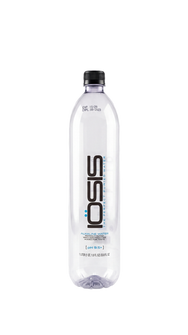
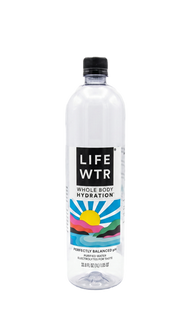
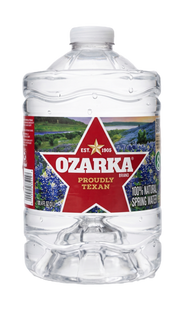
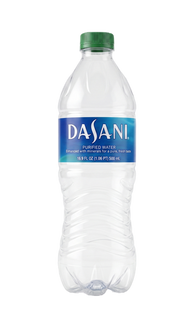
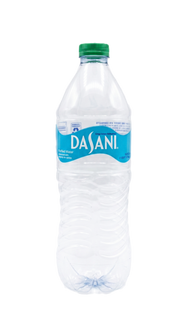
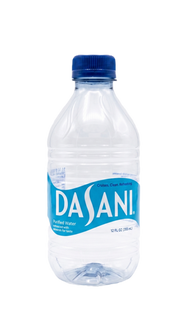
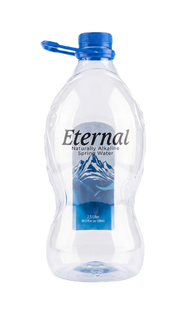
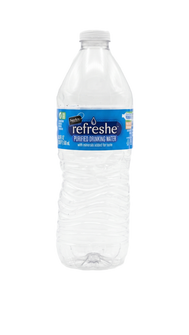
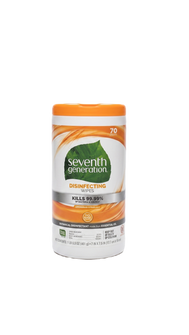
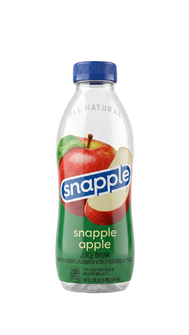
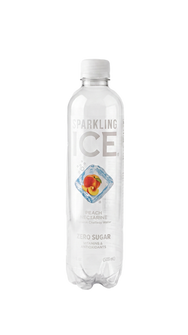
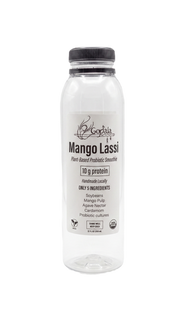
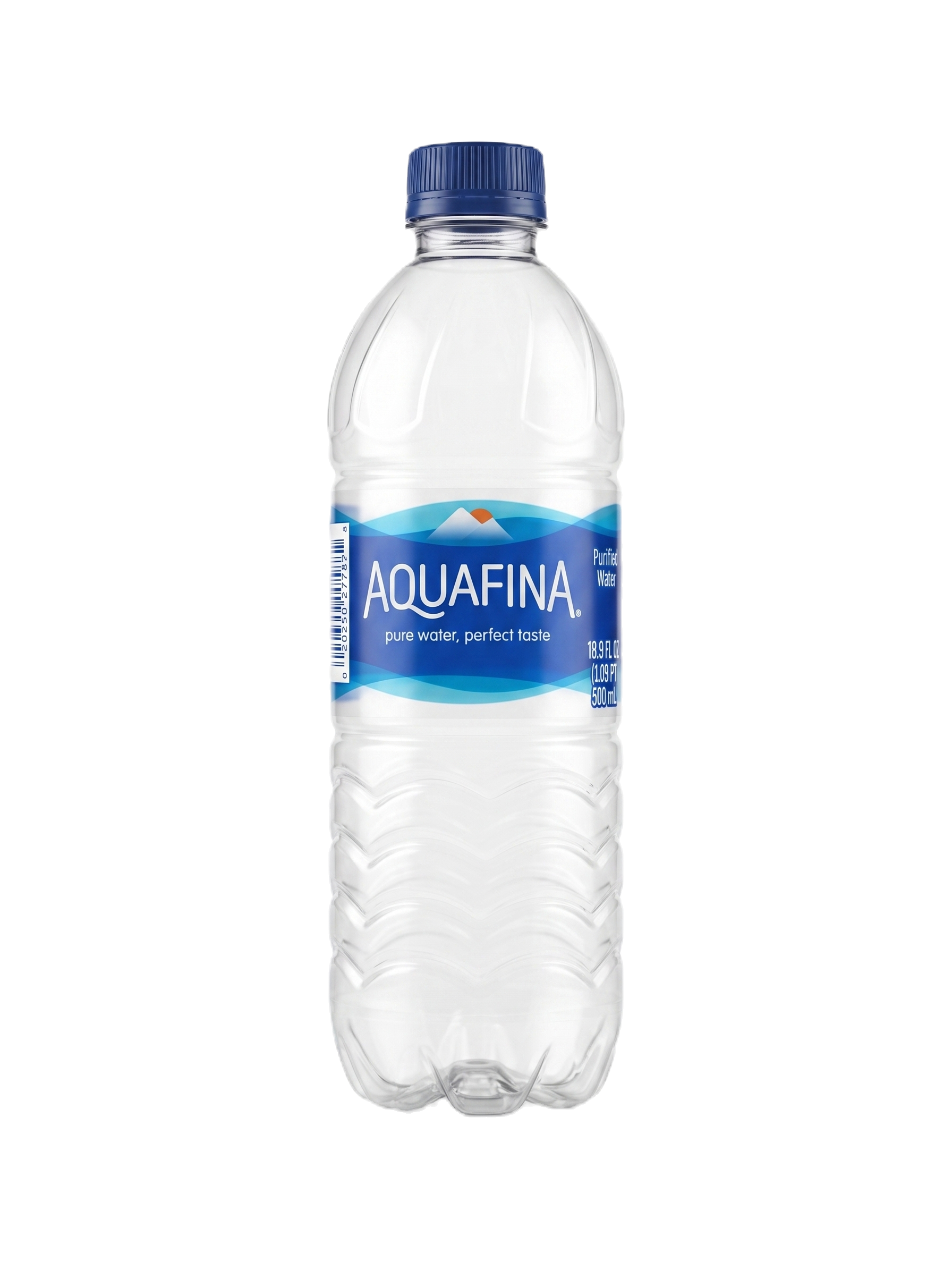
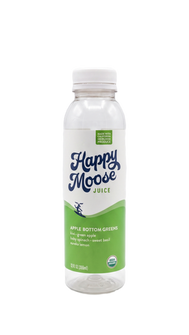
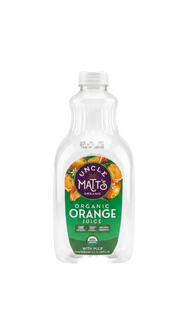
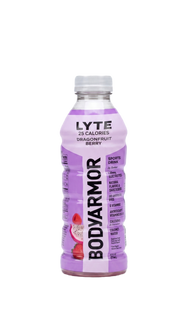
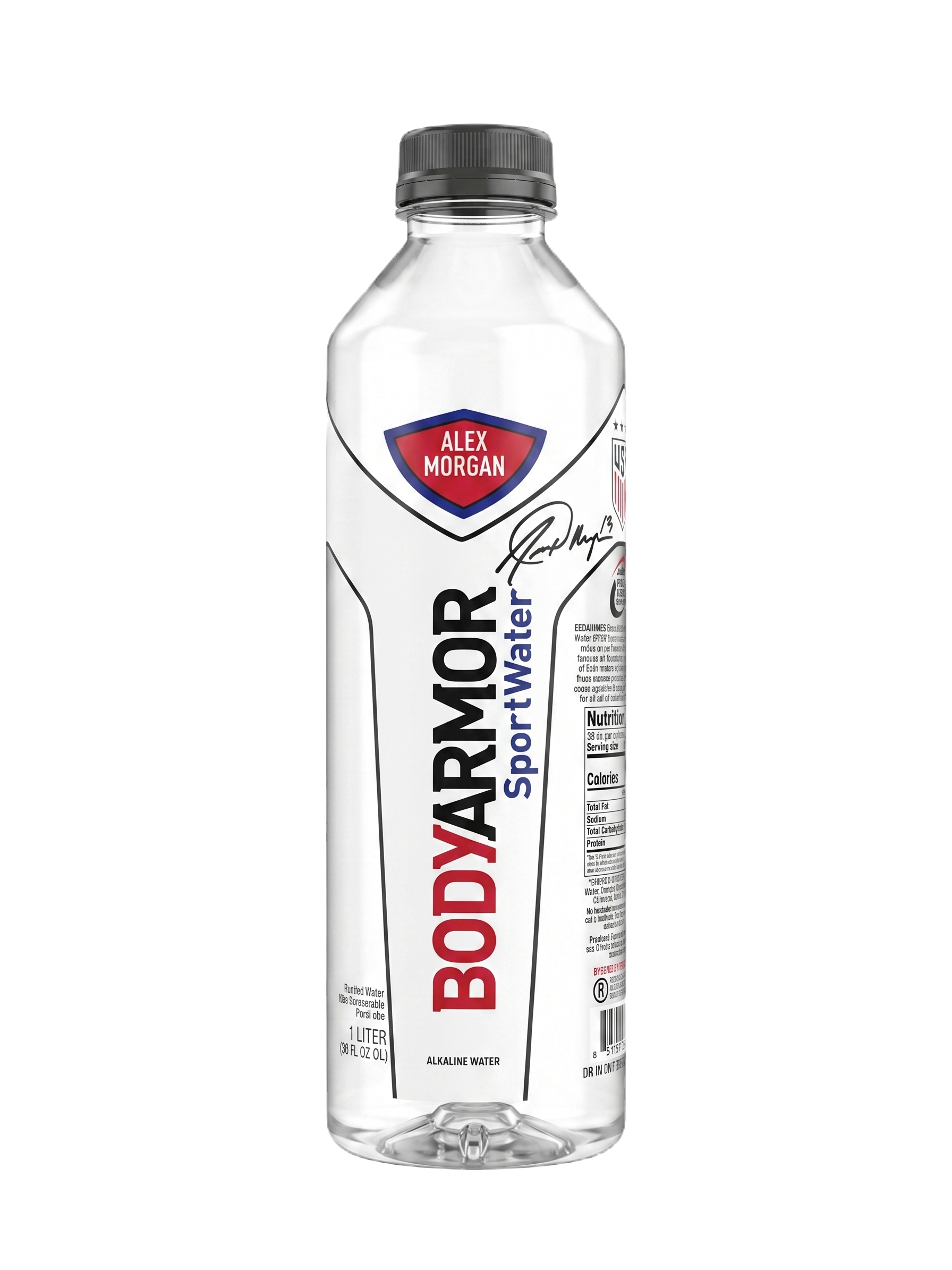
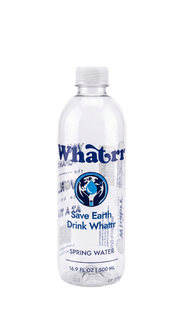
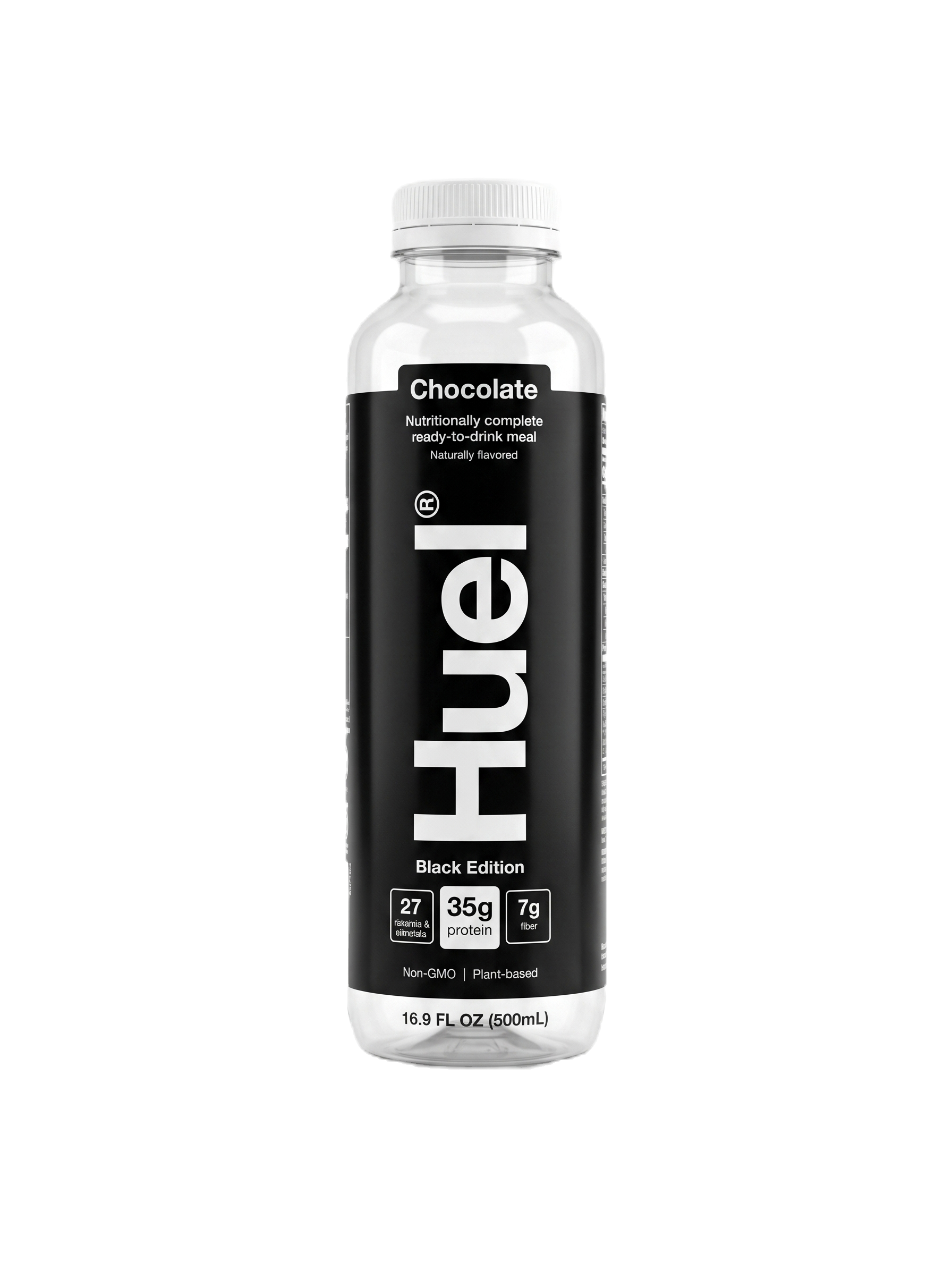
Compatibility depends on material, shape, wall thickness, and preparation. Browse the tested-bottle gallery below to check the bottle you plan to use.
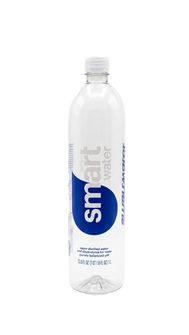
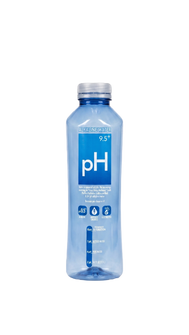
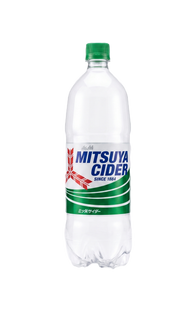
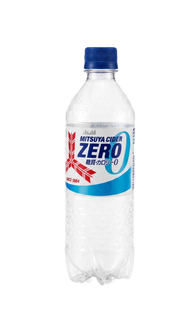
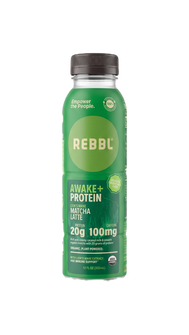
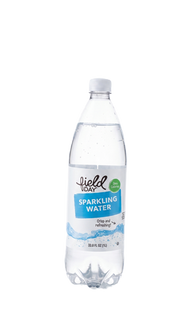
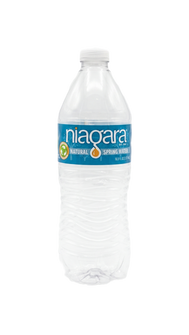
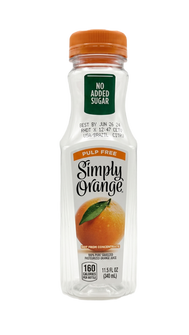
These bottles appear in Itemfarm’s tested compatibility gallery. Match the bottle shown; sizes, shapes, and materials can vary. Ask us about a bottle not listed.
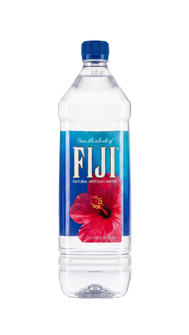
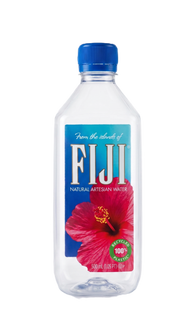
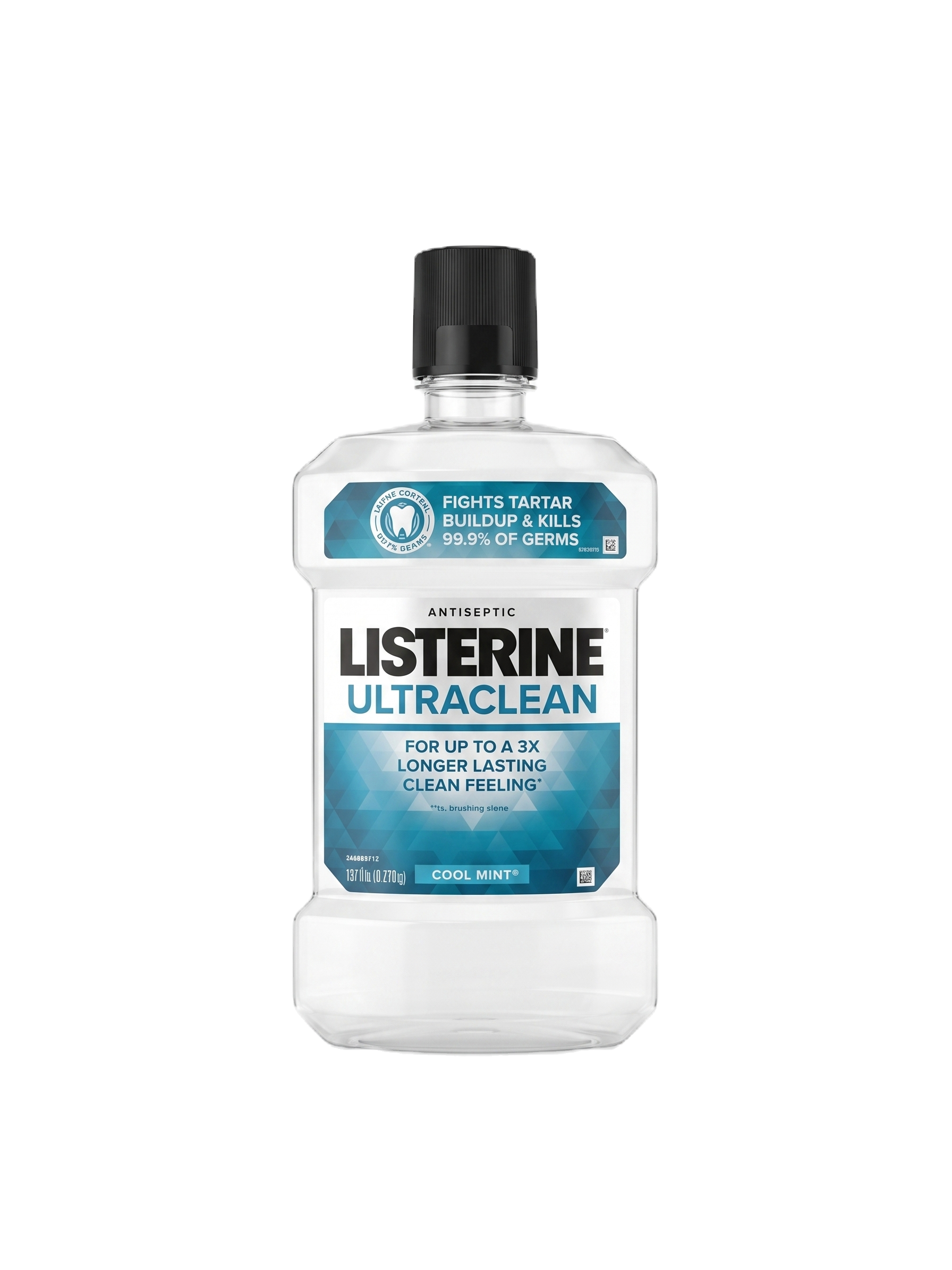
GIVE THE MATERIAL A PURPOSE
Choose a classroom project that connects material choices to a useful object. Ask learners to document their design decisions and compare revisions.
Explore curriculumStart with a small, suitable object your program actually needs. Test the result, record what worked, and refine the next version.
Find project ideasTalk with nearby makers about their material requirements before planning to share or sell filament. Agree quality checks and intended uses together.
Discuss your programPARTNERSHIPS THAT MAKE IT POSSIBLE
Sponsors can support equipment, collection programs, or public demonstrations. Bring Itemfarm a location, a local operator, and a goal.
MAKE PROGRESS VISIBLE
Pick measures your team can maintain: accepted material weight, usable filament output, finished projects, and participation. Record rejected material and failed prints too. These are suggested program measures, not promised results or a carbon-savings calculation.
No. This is a focused local reuse pathway; mixed materials and large volumes may be better handled by conventional recyclers.
Plan trained operators, supervision, workspace, and material handling before opening the activity to participants. Every Orchard includes operator training and curriculum.
Rental starts at $499 per month with an eight-month minimum and includes the Service Guarantee. Purchase is $14,988 for everyone, with three years of the Service Guarantee and annual operator training. Both include complete software support.
Choose rental or purchase and configure your modules. Still have questions? See the workflow in a demo.